Sustainability at Sutcliffe Trading

Sustainable timber.
Responsible by requirement.

Sustainably sourced forest products, responsible management and a renewable New Zealand resource.

Sutcliffe Trading is committed to sustainably sourcing forest products from responsible forest management.

The timber we provide, bearing the FSC label, is cultivated, processed, and transported in strict adherence to the rigorous standards set by the FSC.1

By obtaining FSC certification, our clients have the opportunity to designate their products accordingly, empowering consumers to make conscious decisions in favor of sustainably governed forests.

We have a policy to show our commitment to core labour requirements which is available on request as well as our FSC certificate.1

Radiata pine plantations serve as valuable "carbon sinks" as trees store carbon. Approximately 50% of the wood's dry matter consists of carbon, predominantly cellulose (around 65%) and lignin (around 30%). Depending on the growth rate and wood density, a hectare of pine trees can sequester four to seven tonnes of elemental carbon annually, which is equivalent to absorbing 15–26 tonnes of carbon dioxide from the atmosphere. A forest spanning 1,000 hectares has the potential to absorb 15,000–26,000 tonnes of carbon dioxide each year.2

Wood products derived from New Zealand's logs contribute to delaying the release of carbon that was previously sequestered by the trees, often for decades. In the case of long-lasting wood products, carbon is gradually released as the product naturally decays. This "delayed emission" plays a role in achieving our climate change targets. In 2019, the carbon stored in wood products contributed approximately 9 million tonnes of carbon dioxide equivalent (Mt CO2-e).3

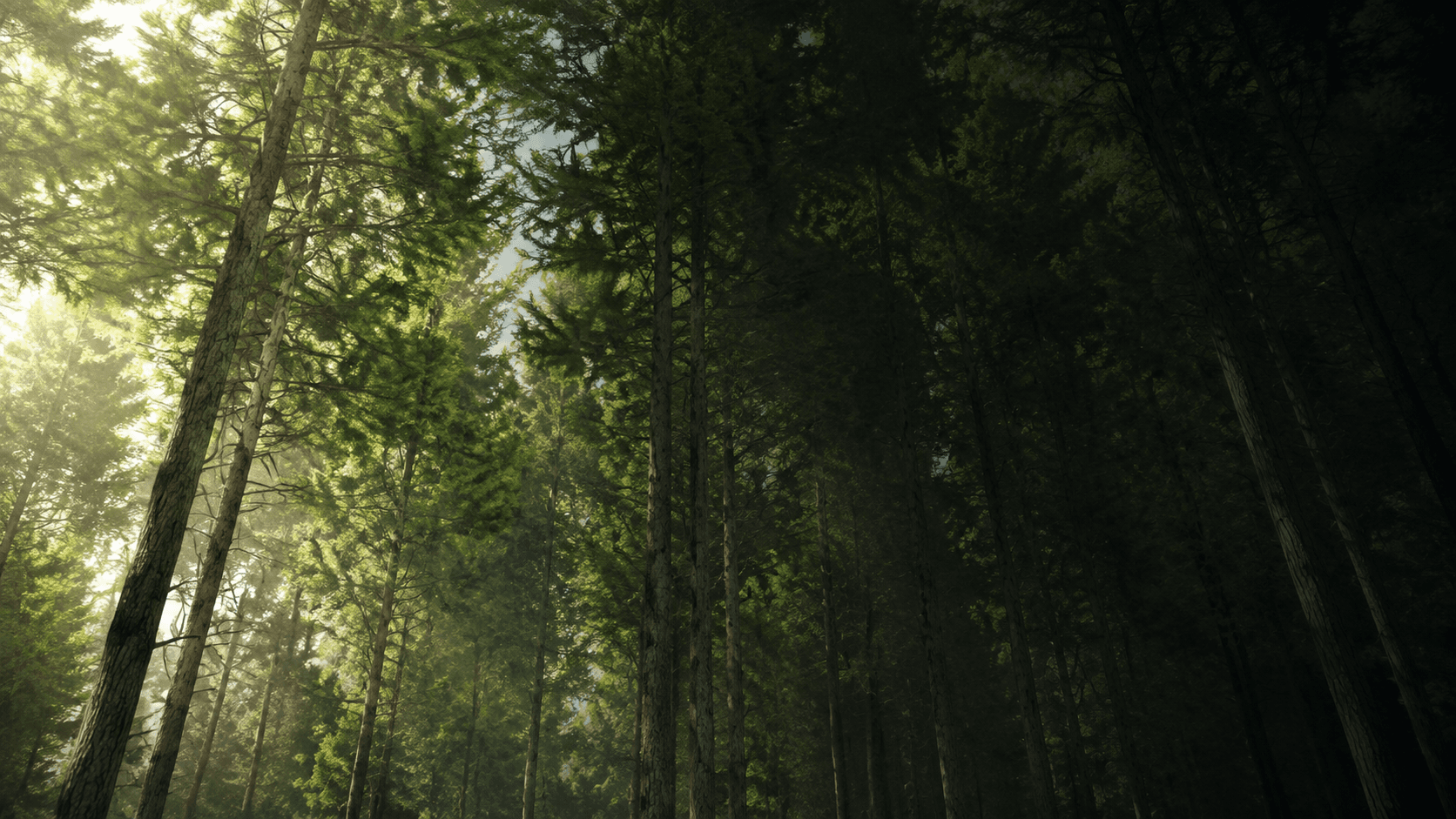
New Zealand's forestry industry is largely based around sustainably managed plantation forests, with Radiata Pine making up about 90% of the plantation estate. This provides a renewable production-forest resource for timber and wood products.4

In an era where the global shift from fossil fuels to a sustainable, bio-based economy is underway, the significance of forestry as a primary provider of renewable and sustainable resources for New Zealand will only grow. Global demand for sustainable wood fibre is expected to quadruple by 2050 as countries seek to use wood and woody biomass to decarbonise their economies.3

The role forest products play in our society and economy will gain even greater importance.

Sources & references

Verifiable information.

Key sustainability statements on this page are linked to primary or authoritative New Zealand and FSC sources.

  1. 1 · Forest Stewardship CouncilFSC Chain of Custody certification and core labour requirements ↗
  2. 2 · Te Ara — Encyclopedia of New ZealandRadiata pine carbon sinks and sequestration ranges ↗
  3. 3 · Ministry for Primary IndustriesForestry and Wood Processing Industry Transformation Plan ↗
  4. 4 · Ministry for Primary IndustriesAbout New Zealand's plantation forests ↗

Join our commitment to the environment

Source with
confidence.

Talk to our team